Mar 1, 2026 | Healthy Moves
By: Benjamin Olorunfemi
In communities across Nigeria, a silent epidemic is claiming more lives than many infectious diseases, yet it barely makes a sound until it is too late. Non-communicable diseases (NCDs), particularly hypertension and diabetes, have escalated into a public health emergency. Current statistics paint a grim picture: more than 20 million Nigerians are living with hypertension, and over 11 million are battling diabetes. Alarmingly, more than half of these individuals are completely unaware of their health status, walking around with a time bomb ticking in their chests.
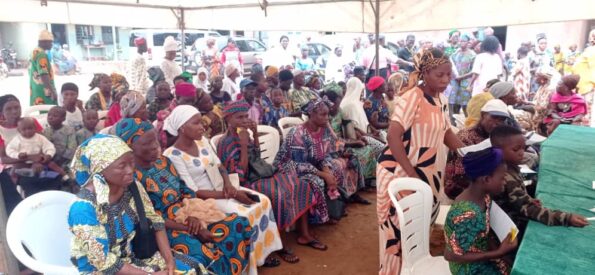
For the average Nigerian in an underserved community where health facilities are miles away and the cost of a simple blood pressure check is a luxury, these are not just numbers; they are fathers, mothers, and youths resigning to fate simply because they cannot afford or access care. These are the people who fall through the cracks of our healthcare system. This is where our work at the Rays of Hope Support Initiative (ROHSI) becomes not just relevant, but essential.
Since 2017, we have been at the forefront of combating this burden in Ibadan and beyond. We have seen firsthand that the fight against NCDs cannot be won within the four walls of a hospital alone; it must be taken to the people. We have educated over 10,000 citizens, reached more than 5,000 direct beneficiaries with free screenings and medication, and built a thriving community of over 250 members who now have access to daily health tips. Our work proves that when you empower a person with knowledge and access, you give them a fighting chance.
However, to truly curb the negative health impacts of hypertension and diabetes, we must scale up our strategies and go deeper—right to the heart of our local communities. One of the most effective, yet often untapped, pathways to achieving this is through a deliberate and structured partnership with Community Development Association (CDA) Executives.
Here is why this partnership is the key to unlocking better health outcomes for the underserved:
The Gatekeepers of Trust
In rural and semi-urban settings, the CDA executive is the most influential body. They are the gatekeepers of the community. While a flyer from a distant hospital might be ignored, an announcement at the town hall meeting or a directive from the CDA chairman is respected. By partnering with these executives, we aren’t just visitors; we become collaborators with the community’s leadership. They help us navigate the cultural nuances and mobilise their people, ensuring that when we show up, the community shows up with us.
Creating a “Hypertension-Smart” Community
Through our model, we work with CDAs to designate local champions, trained volunteers from within the community who understand the language and the lifestyle of their neighbours. These champions, backed by ROHSI’s medical team, can conduct regular, informal blood pressure and blood sugar checks at local markets, churches, or mosques. Instead of waiting for people to come to the hospital, we bring the hospital to their doorstep. This approach mirrors the proven effectiveness of using Community Health Extension Workers (CHEWs) to manage NCDs, as they become trusted figures leading health education efforts.
Leveraging Local Gatherings for Screening
Most communities have existing structures for weekly/monthly meetings, annual festivals, or town hall gatherings. These are missed opportunities for health interventions. By partnering with CDAs, we can integrate free screening exercises into these events. As we have seen with initiatives like Nigeria’s “Project 10 million”, the goal is to help people “know their number”. Imagine a community meeting where, after discussing local development, every adult present knows their blood pressure reading. That is preventive healthcare in action.
Affordability and Local Support
One of the biggest barriers to managing NCDs is the cost of medication. A diagnosis of hypertension can feel like a death sentence to a low-income earner who cannot afford daily pills. Through our partnerships with CDAs, we can help facilitate community-based medication support schemes.
Data Collection and Referral Pathways
CDAs have an intimate knowledge of their population. They know who is elderly, who is sick, and who has been unable to leave their home. Partnering with them allows us to build a more accurate picture of NCD prevalence in hard-to-reach areas. We can then establish a clear referral pathway: screening at the community level, followed by linkage to care at primary health centres.
We need to know that the fight against hypertension and diabetes in Nigeria is a fight for the soul of our communities. It requires us to be innovative, mobile, and deeply integrated. At Rays of Hope Support Initiative, we have the template, the experience, and the passion. But we cannot do it alone.
We call on community development associations across the country to open their doors to this kind of partnership. Let us work together to ensure that no one in our community dies from a disease we can prevent or manage. Let us take the message of hope—and the tools for health—directly to the doorsteps of those who need it most. Because a healthy community is the foundation of a prosperous nation.
Join us. Partner with ROHSI. Let’s bring hope to the doorstep of every Nigerian.

Dec 30, 2024 | Healthy Moves
GOOD TO GREAT! TAKE YOUR WORKOUT TO THE NEXT LEVEL IN 2025
Friends, whether we go for short walks around our neighbourhood, sprint through 10-kilometre bike rides, or sweat it out at the gym, at some point we’ll think, “This isn’t as hard as it used to be!”
That’s good progress. But it might be time to move on.
We may have gotten so used to our routine that it’s simply too easy now. To get faster or stronger, or just beat boredom, it’s time to change things up.
It’s a fact: The best way to keep building muscle mass or burning calories is to make it a habit to switch up our workout—especially when we notice that our current plan has become comfy. It keeps us on our toes. We’re ready to turn our walks into jogs, lift heavier weights, or swim faster than we might have thought we ever would.
Get ‘FITT’
First, think about what we could do differently. Use the “FITT” principle of exercise—frequency, intensity, time, and type—to guide you.
Frequency: How many days a week do we work out?
If it’s twice a week, we should try to add a third day and see how it goes.
Intensity: How hard do we exercise?
Do we reach our target heart rate? That will help us boost our fitness. Our maximum heart rate is about 220 minus our age. Our target heart rate zone is 50% to 85% of that.
If we don’t want to do the math, ask ourselves if we feel like we’re really pushing ourselves or if the activity feels pretty easy. Could we work a little harder, whether that means picking up the pace or adding more weight or resistance?
Time: How long are our workouts?
If we jog for 20 minutes, we should try to keep it going for 30. Strolling around the neighbourhood for 45 minutes? Go a few blocks farther and make it 60.
Type: What specific exercises are you doing?
Consider going from walking to jogging, jogging to running, or adding a completely new activity—biking, swimming, Pilates, weight training, etc.
Turn to a Pro or a Pal
Consider a session or two, or more, with a certified personal trainer. They can help tweak our plan, whether we’re working toward a marathon or we want to lose those last 10 kgs. And they can make sure we don’t make too many changes too fast.
If we’re not interested in hiring someone—maybe getting professional help seems too expensive or time-consuming—we could team up with a workout buddy. It makes us more likely to stick with the plan and show up.
For the best results, we should pick a partner who’s slightly fitter than we are. Research shows that working out with a person who’s in better shape can motivate us to push ourselves harder.
Reap the Benefits
We need some extra incentive to get out of our current comfort zone. We can opt to “reward” ourselves for meeting mini goals along the way.
We can focus on small treats that aren’t food. For example, we could plan to go to a concert, get a manicure, or buy a pair of shoes we like after we’ve met our workout goals for the month/year.
Even better, we can steer ourselves away from tangible items and focus on how getting fitter would benefit our life. Do we want more energy to play with our kids or grandkids? Better sleep? Be in shape for an active vacation halfway around the world? Cross the finish line at a race or even take home a medal.
It’s all possible if we push ourselves just a bit further, over and over.
Courtesy! Rays of Hope Support Initiative and WebMD
Aug 15, 2024 | Healthy Moves
HYPERTENSION AND SPORTS
Awareness of hypertension risks and management is key for athletes, and those regularly involved in sports
Every 4 years the Olympic Games put health and athletics under the spotlight. It’s estimated that a quarter of the world’s population has hypertension. Perhaps counterintuitively this includes professional athletes and individuals involved in leisure time sports activities. Several studies have found a beneficial relationship between increased physical activity and reduced blood pressure. Consequently, physical exercise is often recommended by healthcare professionals to prevent, manage, and treat hypertension.1
However, the prevalence of hypertension may vary from sport-to-sport and in some cases may even be higher in athletes competing in certain disciplines than in the general population. Hypertension is the most common medical condition in athletes and may raise concerns about its management and the individual’s eligibility for competitive sports.1
The dual role of exercise in hypertension
Exercise is a well-established component in the prevention and management of hypertension. Regular physical activity helps reduce blood pressure by improving heart efficiency, reducing arterial stiffness, and promoting weight loss. However, for athletes, especially those involved in high-intensity sports, the relationship between exercise and blood pressure can be more complex.1
The unique challenges of hypertension in athletes
Athletes face unique challenges when it comes to hypertension, and understanding these challenges is crucial for effective management:
- Masked hypertension and exercise-induced hypertension (EIH):
- Masked hypertension is where athletes experience normal blood pressure at rest but this is elevated during physical exertion or stress. This condition is particularly dangerous because it often goes undiagnosed and untreated.
- Exercise-induced hypertension (EIH) is characterized by elevated blood pressure during exercise. While occasional increases in blood pressure are normal during physical activity, sustained high blood pressure during or after exercise can indicate a predisposition to hypertension.
- Impact of performance-enhancing substances:
The use of performance-enhancing drugs, including steroids and stimulants, can significantly increase blood pressure. Athletes who use these substances are at a higher risk of developing hypertension.2
- Elite athletes and left ventricular hypertrophy (LVH):
A study to ascertain whether there was an association between high blood pressure and LVH concluded that while prevalence of hypertension in athletes varied considerably, the type and intensity of training might contribute towards higher BP. In addition, high BP may be associated with LVH.3
By addressing these specific challenges, athletes and their healthcare providers can better manage and mitigate the risks associated with hypertension, ensuring optimal performance and long-term health.
Recognising symptoms and risks
Symptoms of hypertension are often subtle and can be mistaken for other sports-related issues such as fatigue or overtraining. Common symptoms include headaches, dizziness, shortness of breath, and chest pain. Regular blood pressure measurement is essential for early detection, especially for athletes involved in high-intensity or endurance sports.4
What can athletes do to better manage the risks of hypertension?
- Regular BP monitoring – home blood pressure monitoring (HBPM) is a convenient and flexible way to both measure and track blood pressure, outside of the clinical setting.
- Lifestyle modifications – reducing salt, increasing potassium, and eating a balanced diet rich in fruits, vegetables, and whole grains are essential.4
- Medication – sometimes antihypertensive medications may be required. Athletes should work closely with healthcare providers to find suitable medications.
- Avoiding performance-enhancing substances – steering clear of substances that can elevate blood pressure, such as anabolic steroids, is crucial.2
- Stress management – mental stress can contribute to high blood pressure. Techniques such as mindfulness, meditation, and adequate rest are important for managing stress levels.
The roles of coaches and healthcare professionals
Coaches and healthcare professionals play a vital role in managing hypertension in athletes. Providing education on the importance of regular blood pressure measurement and healthy lifestyle choices is essential. Additionally, creating an environment where athletes feel comfortable discussing health concerns could lead to better management and prevention strategies.
In conclusion
Hypertension in sports is a multifaceted issue requiring a comprehensive approach to management. By understanding the unique risks associated with high-intensity exercise, performance-enhancing substances, and the possibility of physiological changes, athletes and their support teams can develop effective strategies to manage hypertension.
Regular blood pressure monitoring, lifestyle modifications, and appropriate medical interventions are key to ensuring that athletes maintain both their health and their competitive edge. By addressing hypertension proactively, athletes can continue to perform at their best while safeguarding their long-term cardiovascular health.

May 26, 2024 | Healthy Moves
Love is beautiful, and for many singles, the path leads towards marriage and starting a family. But before we walk down the aisle, there’s an important conversation and a simple test that can significantly impact our future children’s health: understanding blood genotypes.
Blood genotypes refer to the specific genetic makeup of our red blood cells, particularly the haemoglobin protein that carries oxygen throughout our body. Knowing our genotype, especially for conditions like sickle cell anaemia, empowers couples to make informed decisions about their family planning.
Sickle cell anaemia is an inherited blood disorder. People with sickle cell anaemia have an abnormal form of haemoglobin, causing their red blood cells to become sickle-shaped instead of round and flexible. These sickle-shaped cells get stuck in narrow blood vessels, blocking oxygen flow and causing immense pain, organ damage, infections, and fatigue.
Sickle cell anaemia is a genetic condition passed down from parents to children. Here’s how genotype plays a crucial role:
AA Genotype! This is considered the normal, healthy genotype. Individuals with AA have two healthy copies of the haemoglobin gene and are unlikely to pass on sickle cell disease.
AS Genotype: This is the carrier state. People with AS have one normal copy and one sickle cell copy of the gene. They typically don’t experience symptoms themselves but can pass on the sickle cell trait to their children.
SS Genotype: This genotype signifies sickle cell disease. Individuals with SS inherit two sickle cell copies, resulting in the development of the disease.
Now, let’s see how genotype compatibility comes into play when planning a family:
AA and AA couple: There’s no risk of passing sickle cell disease to children.
AA and AS couple: There’s a 50% chance each child will inherit the sickle cell trait (AS) but won’t have the disease.
AS and AS couple: There’s a 25% chance of having a healthy child (AA), a 50% chance of having a child with the sickle cell trait (AS), and a 25% chance of having a child with sickle cell anaemia (SS).
SS and any other genotype couple: All children will inherit the sickle cell trait (AS) and have a 50% chance of developing sickle cell anaemia if they inherit another sickle cell gene from the partner.
While sickle cell anaemia is a major concern, there are other blood genotype considerations for couples:
Rhesus factor incompatibility! This incompatibility between the Rhesus factor proteins in a mother’s and baby’s blood can lead to complications during pregnancy. A simple blood test can identify potential issues and allow for proper medical management.
Blood type compatibility! While not directly linked to genetic diseases, blood type incompatibility can cause problems during pregnancy and delivery. Again, a simple blood test can determine compatibility.
Getting a blood genotype test is a simple and painless process. Many hospitals and clinics around us offer these tests, often included in premarital screening packages. Knowing our genotype empowers you to:
Reduced risk of sickle cell anaemia in children! By understanding ours’s and our partner’s genotypes, we can minimise the risk of our children inheriting sickle cell disease.
Early diagnosis and management! If you’re a carrier (AS), prenatal testing can help identify sickle cell anaemia in the developing baby, allowing for early intervention and improved outcomes.
Informed family planning! Knowing our genotype allows for open communication with our partner about potential risks and exploring options like genetic counselling or prenatal diagnosis.
Prepare for a healthy pregnancy! Early detection of potential risks allows for proper medical management during pregnancy, ensuring the best possible outcome for both mother and child.
We must all understand that our blood genotype doesn’t diminish our love or commitment. It’s a proactive step towards a healthy future for ourselves and our potential family. By getting tested and having open conversations, we can embark on a journey of informed parenthood, minimising risks and maximising the chances of welcoming healthy children into the world.
Remember, as Christians, a happy marriage is built on love, trust, and open communication. We must add informed decision-making to that list for a truly fulfilling journey together.
Courtesy: Benjamin Olorunfemi For Rays of Hope Support Initiative

Jul 7, 2022 | Healthy Moves
SHINE THE LIGHT ON SICKLE CELL
Today is World Sickle Cell Day with the theme ‘Shine the Light on Sickle Cell’. June 19th every year has been set aside as an important day by the United Nations to recognise sickle cell anaemia as a public health problem and to promote education about this genetic condition.
Sickle cell anaemia is a condition in which there are not enough healthy red blood cells to transport adequate oxygen throughout the body. Sickle cell disease affects nearly 100 million people worldwide and is responsible for over 50% of deaths among those with the most severe form of the disease.
It is estimated that each year over 300,000 children are born annually with sickle cell disease (SCD) in Africa. SCD is a significant contributor to NCD-related child mortality globally, causing up to 15% of deaths in children aged less than 5 years. Without appropriate intervention, up to 90% of those born with the condition die before their fifth birthday.
According to Dr Oluwatosin Adeoye in her article in the Punch Newspapers, titled ‘’ Challenges in Nigeria’s management of sickle cell disease,’’ she made us understand that ‘Sickle cell disease is a genetic blood disorder inherited from one’s parents and characterised by the inheritance of two abnormal genes with one of the abnormal genes being haemoglobin “S.” It’s commoner in blacks although it is a global disease. It is said to have originated from Sub-Saharan Africa and Nigeria still has the highest burden of sickle disease in the world’
Nigeria leads the world in the number of cases of sickle cell disease (SCD). An estimated 150,000 babies are born annually in Nigeria with SCD, a heredity disorder, and 70-90% die before age 5.
Experts say sickle cell anaemia can lead to many complications such as stroke, acute chest syndrome, pulmonary hypertension, organ damage, blindness, leg ulcers, and pregnancy complications, among others.
For instance, it is believed that sickle cells can block blood flow to an area of the brain, igniting stroke signs such as seizures, weakness or numbness of arms and legs, sudden speech difficulties, and loss of consciousness.
The World Health Organization (WHO) estimates that 70% of deaths could be; prevented with a low-cost diagnostic and treatment plan, but what else can we do to reduce sickle cell disease among our people?
- Screening of sickle cell disease among our newborns. Which is one of the best ways to tackle the surge of SCD.
- Promote effective education about sickle cell disease and its management
- Increase awareness programmes that will help in reducing ignorance about the disease.
- Providing affordable healthcare for people living with sickle cell disease is another means by which there can be effective management of sickle cell disease in this part of the world.
- Availability of medical therapies in the management of sickle cell disease to the people at an affordable price; and under a conducive atmosphere.
- Like other NCDs, managing sickle cell anaemia is expensive in terms of getting the needed drug therapies. So we are asking that the government and other international organisations/donors (like WHO) should make SCD drugs and treatment available to our people like what they did with HIV/AIDS and TB.
- Nigeria government through her health agencies, concentrate more on the treatment of SCD complications than preventive/ management of sickle cell disease. There should be awareness among our youth who are yet to be married or about to on the importance of knowing their blood genotypes
- We must remove the stigmatisation associated with the people living with sickle cell disease. We must see them as people with special needs and not see them as cast out with ‘names’.
Lastly, our salute to our born warriors in the battles against Sickle Cell anaemia in Nigeria, keep the fights on! Hold on to your hopes and dreams you can all achieve whatever you ever dream of, if you believe.
SCD, it’s a war that will be won very soon through proper enlightenment and collaborations.
Courtesy: #ROHSI3 Team members.
Aug 8, 2020 | Healthy Moves
IS WALKING A GOOD EXERCISE?
Walking is great. It helps you clear your head; it keeps you active and it’s low-impact and joint-friendly. But is walking a good exercise? The short answer is yes, but like all things there is a skill to it. So, read on if you would like to find out more about the intricacies of walking!
Walking is your body’s natural movement. To count as exercise, you should aim to walk at a brisk pace for about 30 minutes, at least four times a week. Pay attention to your posture and footwear choices, and always warm up and cool down after your walks.
I’ll go through some of the benefits of including walks into your daily routine. You’ll also need some pointers on the kinds of shoes you should wear on your walks. On top of running, you can also add some other exercises to help increase your heart rate and burn calories.
Benefits Of Walking:
While many people wouldn’t don’t consider walking as exercise, it certainly benefits you in many ways, both physically and mentally.
Physical Condition
Walking at a moderate intensity for at least 30 minutes, five times a week is the minimum recommended amount of exercise. In particular, walking a longer distance at a faster pace will provide even more benefits.
People who walk regularly were found in a study to have a 31 percent decrease in their risk for cardiovascular diseases.
Other benefits include:
- The stress release from walking will help you sleep better.
- Your overall health will improve as you lower your blood pressure and cholesterol.
- Like any exercise, it helps you maintain muscle tone and bone density.
Walking will also help you burn some calories. Depending on your age and weight, a brisk 30-minute walk can help you burn an average of 129 more calories a day. If you’re also following a healthy diet, this can add up in the long run and help you lose weight.
Mental Wellbeing
If you take your walks as a moment to get in contact with yourself, you’ll get benefits that go far beyond the physical impact of the exercise. Exercise at even a moderate intensity can help reduce stress and anxiety and even improve cognitive function.
You can use walking to get an active start to your day and a moment to focus on your goals for the day. You can also take a walk at the end of the day to unwind and release stress.
How To Turn Walking Into Exercise:
Walking is a natural movement of your body. It’s low-impact and meditative and helps you crank up the steps on your Fitbit. If you don’t do any exercise, starting a walking habit will certainly be an improvement for your health.
It’s also a lot easier for your joints than running, especially if you’re overweight or have underlying problems. This is what makes it a good way to get active for beginners.
But for such a low impact, is it even exercise?
Yes, if you do it correctly.
While some may consider walking an inferior form of movement, it’s a good way to burn calories and add activity. However, walking as an exercise doesn’t mean peacefully strolling around.
To be an effective exercise, walking needs to be brisk. This means you have to be a little winded and feel your heart rate going up. Your pace should be fast enough so that it would be hard for you to talk while you’re walking.
How Long Does It Take To Walk A Mile?
You should be able to walk a mile in fifteen minutes for it to count as brisk.
If you’re not able to do this at first, take your time and work on increasing your speed. Give yourself a goal to get a minute or 30 seconds out of your mile every time you go out. You’ll get to a 15-minute mile in no time.
Good Walking Form
The right form and speed are the most important things to get the biggest benefit out of your walks.
Warm up your muscles at a slower pace before starting and cool down after you’ve finished. Always stretch after your walks to maintain and increase your mobility.
- Back: Keep your back straight, your shoulders back and your head high—that means no looking at your phone!
- Shoulders: Try to relax your shoulders and keep your arms slightly bent and swinging freely.
- Breathing: Focus on your breathing correctly, taking profound inhales.
- Feet: Try to walk as neutrally as possible, with your toes pointing forward. Land on the heel at first and then let your weight move naturally toward your toes.
- Engage: Keep your core and your legs and glutes engaged.
Walking Equipment
Walking for exercise doesn’t require much equipment to be effective, but you may need to pay attention to your clothes and shoes. You can also invest in some poles to try out Nordic walking.
Comfortable Clothes
Make sure you’re wearing comfortable clothes that don’t inhibit your movement or cause other types of discomfort. Your regular workout clothes will be fine, as long as they’re stretchy and don’t have seams that will make you chafe.
Rather than wearing your regular comfy clothes, go for specific lightweight active wear. These offer protection from the elements while keeping you warm and will wick moisture away.
A Good Pair Of Shoes
Walking is free, but you might want to invest in the most basic piece of equipment before you get started: shoes. The right shoes are the most important thing to take into consideration when you’re starting a walking hobby.
The first thing is to wear shoes that are made for exercise and are comfortable. They need to have enough support and cushioning to help you get through many miles of walking without injury.
Running shoes aren’t your best bet for walking practice. The two patterns of movement impact your foot differently, so you should give your foot the support it needs for the specific movement.
Running will impact your heels more as they’re the first point of contact with the ground. Walking puts more pressure on the middle of your foot. That’s why running shoes have more cushioning in the heel, whereas walking shoes usually focus more on arch support.
Finding Your Perfect Shoe
Depending on your previous underlying conditions, you might need to find a shoe that adapts specifically for them.
For example, people with flat feet need a little more support for the arch. If your arches are very high, you may need to balance them out to correct the alignment. This will help keep your ankles, knees and hips safe from unnecessary strain.
If you have plantar fasciitis, you may need more cushioning in the heel to keep it slightly elevated.
Spend some time figuring out whether you have flat or high arches or if your gait is neutral or if you tend to pronate. Then, make sure you’re wearing shoes that are right for you.
Nordic Walking Poles
Nordic walking can be helpful for people who are rehabilitating from injury. It can give some assistance in your upper body movement when walking and prevent your shoulders from curving forward. This is especially important for older adults.
Nordic walking also helps you burn more calories since it gets your whole body moving. You’ll be using 80–90 percent of your muscles by engaging the upper body instead of 50 with normal walking. This helps you burn up to 67 percent more calories every time you work out.
When you start with Nordic walking, make sure you’re using the right technique:
- The poles should be kept low, instead of ahead of your body.
- You should slightly swing your arms forward and back.
Walking For Weight Loss
Walking can be very therapeutic and a great way to aid you in weight loss. Keep these pointers in mind to get the most out of your walking workouts.
Calories
The basic equation of weight loss is that the calories you ingest need to be lower than the calories you use in a day. Your calorie expenditure depends on many things, from your weight to your age and general activity level.
According to Health Department guidelines, an adult woman would need around 1,600 to 2,400 calories per day. A man would need from 2,000 to 3,000 calories a day.
You can evaluate the calories you’ve burned with exercise with many apps or online calculators. Keep in mind that these are always rough estimates according to your body weight, as people have very different metabolisms.
Also, remember that weight loss is dependent on a healthy and balanced diet. Half an hour of walking won’t help you burn through hundreds of extra calories, so make sure your diet is in check.
Difficulty
Try to challenge yourself with your pace. Increase your velocity slowly when you get more comfortable.
Another way to increase the intensity of your walk is to choose a terrain you’re not as familiar with. Walking on the beach will add some real difficulty to your workout. Hiking up a hill will also help you burn extra calories and target your leg and glute muscles more.
Intervals
Doing intervals is also very beneficial for your weight loss goals and can help you improve your aerobic capacity faster. You could end up burning 20 percent more calories by simply changing your pace.
This is also great if you’re having a hard time keeping up with a faster pace for longer periods.
Try increasing your speed for a couple of minutes at a time and then relaxing it for another minute or two. It’s good if you can add these intervals to your walks a couple of times a week to really see improvements.
Treadmill Walking
If you’re walking indoors on a treadmill, you can easily make it more intense and add to the calorie burn. You can use different speeds and adaptable inclination to make your exercise more varied and interesting.
Try starting slow and gradually increase the inclination on the treadmill to a degree you can handle for a couple of minutes. Then go back, give yourself a breath, and repeat. You can also try some intervals at a higher speed.
Keep In Mind
One important thing before you head to the treadmill, however, is not to hold onto the supports.
You’ll end up relying too much on them and even putting some of your weight on top of the handles. This will not only make the exercise less effective but will also affect your posture in the long run.
Keep your chin up and your arms swinging from side to side just like you would outdoors. If you need to grab the handles to give yourself a breath, only do it for a couple of seconds.
Curved Manual Treadmills
You might have seen the curved manual treadmills at your gym in recent years. They’re non-motorized, which means you move the treadmill with your steps. Since they’re concave, each step you take propels the movement of the treadmill.
What’s great about this device is that it significantly ups the intensity of your exercise. It helps reduce the impact on your joints, while at the same time making it harder for your muscles to keep up. You can also make it more difficult by turning on the resistance of the treadmill.
These kinds of treadmills can be a bit hard to master at first, especially with the balance. Ask a gym instructor for help, and lightly hold on to the railing until you’re sure you’re balanced.
Overall, a curve treadmill can be a nice addition to your walking routine. Try to switch it up between a normal treadmill and walking outside to avoid affecting your gait.
Other Exercises To Aid With Walking
Getting in some muscle-strengthening exercises will help you have more power in your legs and improve your endurance and speed. It will also help your general wellbeing and, if done correctly, keep you injury-free.
Another perk for building muscle is that it will help you burn more calories. While fat is more of a passive component, muscle needs calories to maintain density. This is why your body will burn more calories, even when resting when you have more muscle.
- Legs: Do basic squats or lunges to improve the strength in your legs.
- Upper body: You’ll need some strength in your shoulders to help balance out your walk and carry yourself with good form.
- Core: Doing some back and ab work will help you keep your core better engaged when you’re walking.
You can even get in exercises in the middle of your walk to get your heart rate up. Try jumping or doing squats every so often to increase the difficulty. If there are stairs somewhere in your walking route, take advantage of them in your workout.
How To Pass The Time While Walking
If being alone with your thoughts doesn’t sound appealing and you get bored easily, there are a couple of things you can do to pass the time.
Find A Friend
It can be easier to start a walking habit if you do it with someone else. Even if you walk at a pace that will make it harder for you to talk, the miles will pass faster when you’re with someone else.
You’ll also be more motivated and won’t want to let your walking buddy down, which helps for those inevitable days when you’re just not feeling up to it.
Change Your Routes
By changing your scenery, you may be able to ward off some boredom. Taking yourself outside of the city or even to a new neighbourhood makes things more interesting.
Listen To Music
Try listening to your favourite music to help you relax. Focus on the music and let it guide your breathing.
Music can even help you get more intensity out of your workout. How about creating a playlist that alternates between up-tempo and slower songs?
Find Podcasts and Audio books
If music doesn’t provide you enough distraction, try listening to a podcast or an audio book. Today, you have an incredible amount of podcasts to choose from, in every possible topic. You can learn a new language, gain new insights on health, business, or politics, or listen to comedians while you walk.
For those who struggle to find the time to read a book, try listening to them. Most bestsellers from fiction to non-fiction are now published in audio versions, so you have an amazing range to choose from.
If you’re walking on a treadmill, try not to use this time on your phone or watching shows on Netflix. You’ll keep your head down in an uncomfortable angle, and you might feel this in your neck later.
Focus On Breathing
If you’re naturally tense and need some help winding down, take a meditative approach on walking. Focus on your breath and try to clear your mind of all other thoughts. It can take some getting used to, but soon you’ll be able to disconnect and only focus on your body.
Ready, Set, Go
You’re just about ready to start your new walking habit to improve your health and overall wellbeing. You’ve got your shoes, your music, and your walking buddy with you. It’s time to get outside.
A minimum of 30 minutes four times a week will help you keep your blood pressure down and improve your heart health. Adding strengthening exercises and increasing the difficulty of your walks adds to the calorie burn and your overall fitness level.
Remember to keep your pace brisk and always stretch after your walk. Pay attention to your breathing and your form. Keep your shoulders down, your chin up and your arms swinging.
