Jul 2, 2025 | News
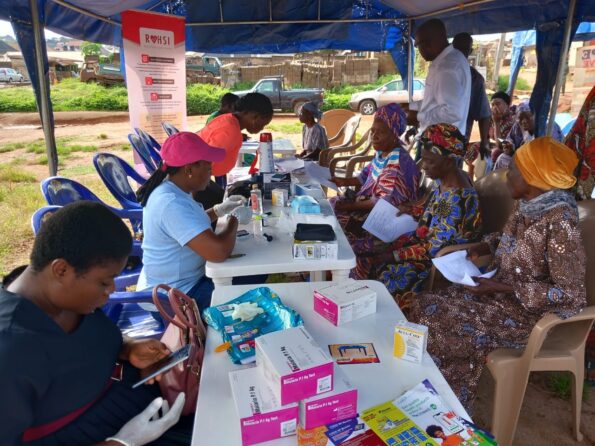
On Saturday, June 21, 2025, the Rays of Hope Support Initiative (ROHSI) successfully conducted a free medical outreach at Otun Abese Community, Ibadan, Oyo State. Approximately 200 residents, comprising men, women, children, and the elderly, accessed essential healthcare services.
The outreach promoted health awareness, offered medical screenings, provided free medication, and educated the community on healthy living practices. The ROHSI approach focused on proactive health management and accessible care.
At the medical outreach, we provided health education where vital information on maintaining good health, regular medical screenings, and adopting healthy lifestyles were discussed with the participants
Also, there was medical screening to identify various health conditions early, especially on hypertension and diabetes, the two silent killers
Participants also received free medications courtesy of our sponsors and partners. On that day also some individuals that requires further medical attention were referred to appropriate healthcare facilities
Names of individuals with critical medical conditions were listed out for further support and follow-up through our WhatsApp community, where we shared daily health tips and other health opportunities
We extend our deepest gratitude to our sponsors: Codix Pharma Nigeria, Kemisola Bolarinwa through Next Wear Technologies, Africa Social Enterprise Workshop (ASEW) for supporting our social enterprise scheme and other anonymous contributors.
To our host community, Otun Abese Community, for their warmth and hospitality, and our Board of Trustees, Management Team, Staff, and Volunteers for their dedication and hard work. To our family, friends, and ROHSI Community, we say thank you all for your support and generosity. We enjoy always
Major highlights of the outreach:
- A majority of residents are unaware of their health status, highlighting a critical need for increased health awareness campaigns.
- Even those aware of their conditions cannot access necessary care due to the escalating cost of medical services.
- There is an alarming surge in non-communicable diseases (NCDs), particularly hypertension and diabetes. This trend demands urgent attention from the government and other stakeholders.
- The preventable nature of many NCDs, which are tragically claiming the lives of our working and productive adults, is a significant concern that requires immediate and concerted efforts.
The surge in preventable #NCDs demands urgent intervention from government and stakeholders. We urge:
- The implementation of practical healthcare policies (beyond paperwork).
- Introduction of affordable indigenous health insurance schemes for underserved community
- More partnerships from governments, policymakers and organisations of like minds to expand medical outreach programmes.
We reiterate our profound gratitude to all our sponsors, partners, board, and team members for making this outreach a success. We remain committed to bridging healthcare gaps and working towards accessible quality healthcare for all.
Thank you for your unwavering support.
ROHSI Management Team.

Dec 21, 2024 | News
Rays of Hope Support Initiative: Path to Healthier Lives in Ibadan
Rays of Hope Support Initiative: Path to Healthier Lives in Ibadan
Nigeria’s Silent Health Crisis: Hypertension and Diabetes
More than 20 million Nigerians are living and battling with hypertension silently, while more than 11 million live with diabetes. More than half of those affected by these silent killers are unaware of their health status. Even among those who are aware, many are not taking action. Those trying to seek care are hindered by economic challenges and unable to afford or access health care. As a result, they resign to their fate, waiting for the inevitable.
Nearly 30% of deaths in Nigeria, either at the hospital or at home, stem from NCDs. The nation’s potential brightest contributors are lost to these illnesses. The most vulnerable are hit hardest, as a lack of resources cuts their dreams short.
Rays of Hope Support Initiative
Rays of Hope Support Initiative (ROHSI) has been operational since 2017. Located in Ibadan, Oyo State, Nigeria. ROHSI is dedicated to combating the rising burden of NCDs in Ibadan and Nigeria, where it has been implementing innovative solutions to address these pressing issues. As an organization working within the NCD health space, ROHSI has focused on empowering vulnerable populations, such as older people, women and children, who are disproportionately affected by NCDs. This involves providing targeted interventions, addressing social determinants of health and ensuring equitable access to health care services.
The ROHSI team, since inception, has been working closely with local health care providers through collaboration and partnerships to ensure that individuals with NCDs, especially hypertension and diabetes, receive appropriate treatment and care. This includes providing access to essential medications and connecting patients with support services. Through its community-based health education initiative, the organization conducts regular health education programs to raise awareness about NCDs, especially hypertension and diabetes, their risk factors and preventive measures.
These sessions are tailored to the specific needs of the community, ensuring that information is accessible and understandable. Furthermore, the ROHSI early detection and screening program allows for timely intervention, reducing the likelihood of severe complications, therefore saving many lives from avoidable deaths.
Impact of Rays of Hope Support Initiative
ROHSI’s efforts have yielded significant results in improving the health and well-being of the community in Ibadan. It has educated more than 10,000 citizens on disease prevention with an emphasis on hypertension and diabetes. The organization has made an impact across three states, reaching more than 5,000 direct beneficiaries through free screenings and medication.
The nonprofit currently has a thriving online community with access to daily, up-to-date health tips. More than 1,500 members are part of its combined Facebook group, with thousands more across other social media platforms, where they access up-to-date information on health-related issues.
Many of ROHSI’s community members have reported a significant improvement in their quality of life as a result of the team interventions, including reduced symptoms, increased energy levels and greater independence.
Final Note
ROHSI has strengthened its community members’ resilience by empowering individuals to take control of their health and well-being. It has done so through daily health tips and free access to its medical team for guidance on health and wellness issues. The organization has advocated for favourable health policy changes from the Nigerian government and policymakers to address the root causes of NCDs and improve access to health care services in Nigeria. It does this by fostering partnerships and collaborations with like-minded local and international organizations.
Coutersy: The Borgen Project & ROHSI

Aug 24, 2024 | Testimonials
This week, we shine our MCM limelight on Benjamin Masominu Olorunfemi, an exemplary leader who has dedicated his life to the service of humanity. Born on June 7th, Benjamin is the driving force behind Rays of Hope Support Initiative (ROHSI), where he serves as the Executive Director. With a career that spans over 18 years, Benjamin has made significant strides in the field of social impact and community development, particularly in the health sector.
Benjamin’s journey is one marked by a relentless pursuit of excellence and a deep commitment to improving the lives of the underserved. His work with ROHSI has been transformative and impactful, particularly in the areas of non-communicable diseases, hypertension and diabetes. Since taking the helm in 2017, his ability to build and maintain strategic partnerships with government agencies, donors, and stakeholders has been crucial in sustaining efforts and ensuring that the organization’s mission holds, and this mission. Benjamin has successfully implemented with over 11 community health outreaches across Lagos, Oyo, and Osun states. These initiatives have provided free screenings and medication to over 5,000 individuals, offering hope and health to some of Nigeria’s most underserved, and left behind communities.
With a solid educational background in Banking and Finance from Ambrose Alli University, coupled with certifications from the Nigerian Institute of Industrial Security and the Police Training College in Ikeja. Benjamin has also taken numerous courses in entrepreneurship, leadership, cyber security, nonprofit management, and social enterprise – skills that have proven invaluable in his current role.
Benjamin’s contributions to community health and development are profound. In 2023, he was nominated for the prestigious CSR_in_Action: CAHR Award. He is also an active member of the Nigeria Network of NGOs, World Health Organisation Global Diabetes Compact Forum, and World Patients Alliance, where he continues to advocate for better health outcomes on a global scale.
Guided by his philosophy, “I believe in making a tangible difference in people’s lives,” Benjamin Masominu remains committed to serving humanity and creating opportunities. His leadership is embedded in the power of building strong partnerships and leveraging resources to address the challenges faced by underserved communities.
On Member Crush Monday Feature which also coincides with the commemoration of World Humanitarian Day, join us in celebrating Benjamin Masominu Olorunfemi, a change maker who embodies the spirit of humanitarianism and continues to inspire us all to act for humanity.
#MemberCrushMonday
#WorldHumanitarianDay
#PhilanthropyMatters
#ChangeMakersInNonprofits
#NonprofitsDoingGood
#SustainableDevelopmentGoals
#LeaveNoOneBehind
#GlobalGoals #Rohsi3 #NNNGO

May 17, 2022 | Healthy Tips
Today, the number of the people living with hypertension has doubled to 1.28 billion, says World health Organisation (WHO), and nearly half of these people did not know they had it (More than 700 million people with untreated hypertension).
As an organisation working within the NCDs space, we know some of the effects of hypertension on our people! That hypertension significantly increases the risk of heart, brain, and kidney diseases that has caused many sudden death and disease among our people.
That, about 25-30% of medical emergencies at our medical centres got to do with issues related to high blood pressure and other Non-Communicable diseases (NCDs). That hypertension does not show signs or symptoms, but it can be detected through checking of ones’ blood pressure either at home or in a health centre. That hypertension can often be treated effectively with medications that are low cost (but not often affordable).
From our field experience and conversations with our community people, we saw the prevalence of hypertension to be so high. We are asking our policymakers, international organisations such World Health organisation (WHO), International Hypertension Federation and community influencers to arise and help with a framework that can help in reducing the risk and burden that come with this ailment among our people.
We ask that they make our primary health centres a working one (be equipped to meet up the need of the people as the first point of contact) where our people can have access to the best treatment and possible medical referrals in case.
The cost of hypertension treatment per person in Nigeria is on the high side. It has led majority of our people to source for alternative means or abandoning treatments due to the high cost of treatment and medications with little family income (that is to tell us that there is poverty in the land). For people to access medical treatments and medications in a month, it cost; them over #5000 (in a population where the majority survive on less than a few hundred Naira per day).
We are asking, let there be an increase in awareness, screening, treatment, and control of hypertension among our people. They must be encouraged to visit our Primary Healthcare Centres (PHCs) with the assurance of having access to best of medical treatment.
Let there be considerations to the cost of procuring high blood pressure medications. If they can do it with HIV/AIDS and TB something like that can be done with hypertension treatment and other NCDs.
We must know that hypertension and other NCDs worsen our people’s poverty levels since it would not allow them to make a viable contribution to national income that can lead to growth and development.
We at the Rays Of Hope Support Initiative -ROHSI are saying; we can stop the surge of hypertension among our people if we all do our part.
We care for the health and wellbeing of our people. That is why we are #ROHSI3.

Dec 20, 2021 | News
HE ALMOST DIED FROM HYPERTENSION; NOW HE HELPS OTHERS LIVE FREE OF THE DISEASE
Benjamin Olorunfemi had strong headaches and felt body weakness amid racing heartbeats. When self-medication did not help, his wife persuaded him to see a doctor. What followed was slightly scary.
“I went as advised, and the doctor that attended to me raised an eyebrow about my blood pressure numbers [198/125 mmHg, way above the healthy average of 120/80 mmHg),” 49-year-old Olorunfemi said.
His condition was hypertension stage 3, the doctor explained further. The doctor prescribed some drugs for Olorunfemi, which he took and, fortunately, became better.
But during his recovery process, Olorunfemi wanted to know more about hypertension and how to control it, so he started reading online articles on the subject. This led him to discover that millions of Nigerians live with hypertension and other non-communicable diseases without knowing it.
His finding was consistent with a World Health Organisation report that says “most people with hypertension are unaware of the problem because it may have no warning signs or symptoms.”
Available data further confirms that at least 31% of Nigerians (66 million) are suffering from hypertension. And most of the 1.28 billion adults aged 30-79 who live with the disease globally are from low and middle-income countries like Nigeria.
Olorunfemi takes action to help others
Inspired by his discovery, in 2017, Olorunfemi started a nonprofit organisation, Rays of Hope Support Initiative or ROHSI, to create awareness about hypertension and diabetes (another deadly disease affecting 5.77% of Nigerians) among rural residents of Oyo State in Southwest Nigeria, where he lives.
Olorunfemi started with a post on Facebook explaining what he planned to do and asking for volunteers. He got several responses, including from a pharmacist and three medical doctors who are now part of his volunteer pool of 19.
Operating from Plot 5. Block C, Oke Bola(CICS) Layout,Ondo Road, Otun Abese in Ibadan, Oyo State, ROHSI also provides free screening, medical advice, and free medications to patients with hypertension and diabetes via biannual community outreaches.
Once every six months, the group holds a health outreach in a rural community in either Oyo or Lagos State. The outreach is done in consultation and collaboration with community leaders, targeting young adults and the elderly.
Months before the outreach, the group runs physical and social media fundraising campaigns to raise money to buy drugs and handle other logistics during the one-day campaign.
On the day of the outreach, people come to a designated location. Medical experts in ROHSI’s team brief the attendees about hypertension and diabetes mellitus, the risk factors, dangers, symptoms, preventive measures., and what to do if they have symptoms of the diseases.
After that, each participant can proceed to see a doctor for testing. Those with positive results are directed to see another doctor who counsels them privately and sends a list of prescribed drugs to the pharmacist, who hands the medications to the patient for free.
“We test for their blood pressure, blood sugar level, as well as their weight. We offer medical education and treat them where necessary,” said Charles Fajonyomi, a volunteer medical doctor with the organisation.
“Our mandate is to reach out and impact the lives of Nigerians in our rural communities who are not aware of the life-threatening effects of hypertension and diabetes and the preventive methods,” adds Olorunfemi, who studied Banking and Finance but works as a security expert for a private security firm in Oyo.

Olorunfemi said the organisation had its first outreach in August 2017 at Irewumi community in Oyo State. Since then, it has reached about 10,000 people with information about hypertension and diabetes mellitus, including nearly 3000 people (across six communities in Lagos and Oyo states) it has screened and provided with health advice and free medications.
“At first, we thought it was a joke, but they treated us free of charge when they came to our community,” said 50-year-old Imam Ibraheem’, who benefitted during that first outreach in Irewumi.
For 59-year-old Taiwo Odukoya, a November 2019 beneficiary from Otun Abese community in Ido Local Government Area of Oyo State, “They checked my blood pressure, and it was high. They also told me my sugar level was high. “[Then] I was given drugs, and they followed up on me from time to time to be sure I was sticking to my medication and recovering well.”
As a means of follow-up on its beneficiaries, the organisation created a WhatsApp group where beneficiaries can always ask questions about their health and get advice from its volunteer doctors in the group. The group now has 256 members.
“We ask questions and talk to doctors [on the group] when we need to,” said Ibraheem’.
Fajonyomi, the doctor, said ROHSI is trying to change rural dwellers’ attitudes toward their health. And that is because “people’s attitude to their health is poor in our part of the world. Once people are not very sick, they don’t care about going for medical check-ups.”
According to Olorunfemi, the nonprofit conducts just two outreaches per year because, for now, its funding and funding sources are limited, mostly from family, friends, and colleagues and whatever they get from their social media calls for support per outreach.
He said none of the group’s regular calls for support from pharmaceutical companies, local authorities and donor organisations had yielded any significant fruits.
“Getting support isn’t always easy. Most times, we write to pharmaceutical companies seeking drugs, but that support never comes, and we have to purchase the drugs ourselves,” he said.
He said in the future, ROHSI hopes to build a medical centre in Oyo State, where people could have access to healthcare when they need it for free.
“Our primary healthcare system is not there yet, and it is supposed to be the first point of call for the majority of these preventable ailments in our communities, but that’s not the case. Also, the cost of accessing treatment and medication is so high that it discourages a lot of people from visiting health facilities when they have symptoms of these ailments,” Olorunfemi said.
First Published By Prime Progress https://primeprogressng.com/posts/he-almost-died-from-hypertension-now-he-helps-others-live-free-of-the-disease-55

Aug 2, 2021 | News
ROHSI MAKES CASE FOR WIDOWS, SINGLE MOTHERS IN NIGERIA

The Rays of Hope Support Initiative (ROHSI), a non-governmental organisaton has proffered solution to the plights of widows and single mothers in Nigeria, following the difficult challenges they face after the death of their spouses.
This was made known in a paper presented by Oyeronke Olorunfemi, director at ROHSI during a programme organised recently by Heart For Widows International, a charity organisaton, to commemorate the United Nations (UN) International Day 2021 held at Alagbaka in Akure, Ondo State with theme: “Invisible Woman, Invisible Problem”.
Olorunfemi said that in the course of her community work, she noticed that more of women especially, older women are having high blood pressure than their male counterparts as majority are widows, handed over the mantle of family leadership without much preparation after the death of their husbands.
She therefore, prays that, God should continue to protect the men as they go out daily, not to die young as not to relinquish the mantle of family leadership to the woman should such suddenly happens.
“We know the loss of a partner is devastating. For many of our women around the world especially in developing countries such as ours, the loss is magnified by a long-term struggle for their basic needs, their rights and dignity”, Olorunfemi said.
She stressed on what befalls the woman should she loose her husband to include evicted from their homes or physically abused, or where their social status is linked to that of their husband’s and such husband passed on suddenly without a solid plan, what would happen to the health of such a widow?
Olorunfemi lamented that such a widow among other things have to accept unwillingly what nature has brought to her because of the children, unwarranted conditions from their husband relatives, social norms, which results in many women dying prematurely.
“So we can all imagine how burning this issue is? I have this question, should our women identity be defined by their husband or should be viewed on their own merits?” she asked.
To this end, she suggested ways by which government and society must improve the lives of widows, single women and their families to include:
“We must come up with poverty-reduction strategies like access to credit or other economic resources and provide educational opportunities for our widows and their children to make life easier.
“Our widows should have unlimited rights to their husband inheritance or land ownership under the law of the land.
“Violence towards widows must be stopped and it has to be now.
“We must all advocate for equitable access to healthcare for our widows. They must not be denied such an opportunity.
“We must them secure against economic insecurity stemming from widowhood that has driven some of our widows and girls to sex work.
“We must keep talking to authorities to take action to uphold their commitment to ensuring the rights of the widows as enshrined in our laws and conventions.
“Let us keep advocating for programmes and policies for ending violence against widows and their children.
She concluded that the above would make life more meaningful to widows, as the health and the wellbeing of their children would not be an issue anymore, because these solutions if implemented would have taken care of those needs.
Eelier in their welcome addresses, Prince Adetayo Adesida and Mrs. Britt Schulze Adesida expressed the gratitude that God had used them to reach out to widows across Africa and the world at large by empowering them, so that they can fend for themselves on the event of the loose of their husbands.
“God has been able to help spread our tentacles to some countries in Africa as well where we have been able to reach out to the widows in Rwanda, Kenya, Lesotho, Seychelles, Uganda to mention but a few.
“We thank God that we did not only give widows fishes to survive on, but also teach them how to fish through various vocational developmental schemes, which empowers the widow to be self-reliant and self-sufficient to the point that their product which is been displayed at this event, is not only sold in the country, but also shipped out of other countries so that it becomes an economic empowerment for our widows.”
“God has been so faithful to the point that we are able to establish this foundation in the USA, The Netherlands, Germany, India, Nigeria, Tanzania and Bulgaria.
Dignitaries at the event include The Deji of Akure, Oba Aladetoyinbo Ogunlade Adelusi represented by Chief Aro of Akure kingdom accompanied by some chiefs from the palace; delegation from the Ondo State government, which included Mrs. Olubunmi Ademosu, Special Adviser to the Ondo State government on Intergovernmental Relation and Oluwafemi Dennis Fadairo, Director of Administration to the Senate President of Nigeria, Ahmed Lawan.
First Published By Dispatch News Online http://dispatchnews.com.ng/2021/08/02/rohsi-makes-case-for-widows-single-mothers-in-nigeria/
Jun 7, 2021 | Events
ROHSI CALL TO ACTION
I am writing to say thank you and to show my appreciations for all that you have made us to achieved in terms of being able to provide access to healthcare treatment to our targeted community members. A huge thank you!
I am also using this as a call to action to my other friends to be part of what we are doing at Rays of Hope Support Initiative – #ROHSI3
Within my work as a social development worker, whenever I hear of people battling with health-related issues especially hypertension and diabetes that have led to strokes, heart attack, sudden death, or stories such as he/she wasn’t sick, we were still together yesterday give me and my team great pains because death such as this could be prevented with access to information, measures and monitoring of our health numbers, medication, and change in lifestyle.
I do wish we saved many of these lives by influencing their diets and lifestyles in a way that would keep them healthy and strong to be able to be alive for their loved ones! We know how unbearable it is; to lose a loving and dependable member of a household. I do not want this to happening again because many of these deaths could be prevented with our efforts at Rays of Hope Support Initiative.
I am asking you to join my team with your resources, time (as our ambassadors/Volunteers), network, collaborations, recommendation, money, donations. Let us save lives by inculcating healthy lifestyles through awareness and access to equity healthcare treatment among people when we were able to take the good news to their doorsteps.
You can start from here:
For the donations, use any of our secure links:
STANBICIBTC BANK PLC: Rays of Hope Support Initiative
Naira: 0022069426
Dollar: 0027047650
Or through
www.rohsi.org/donate
If you could support this by donating and then sharing it with your network. I would greatly appreciate it. I know that money can be tight, so please know that every donation makes us closer to our goal.
Kindly reach out to me in case you have any questions, and I will be happy to answer them. I thank all for rejoicing with me and joining me in this mission of impacting and saving the majority of our people from avoidable/sudden death.
Let’s do this together! Love, Health and Joy,
Benjamin Olorunfemi
Executive Director

Sep 20, 2020 | News
ROHSI CREATES AWARENESS ON SALIENT ILLNESSES
By Canice Opara
The Rays of Hope Support Initiative (ROHSI) has been creating awareness on salient sicknesses in the country, such as hypertension and diabetes through education on their health implications.
According to Mr. Benjamin Olorunfemi, founder of the organization, these ailments have been causing a lot of problems in the country, and unfortunately people are not always taking them seriously, hence his organization has embarked on an awareness campaign to education citizens.
Olorunfemi, who narrated how he almost died through these sickness, said he later researched on them only to discover that high blood pressure and diabetes are among other non-communicable diseases millions of Nigerians are battling with without knowing what they are, that this has led to his desire to raise awareness, provide health education, get people screened for hypertension and diabetes with the vision to reducing the untimely death resulting from complications caused by these ailments. Hence, Rays of Hope Support Initiative (ROHSI) was born in March 2017.
“We found out that if people had access to information and medical services early, deaths and other health complications arising from these ailments could be prevented. Then we decided to fight against these diseases with one-on-one talk Initiative, which was later extended to our communities because of the increasing number of people who need information and treatment”, he said.
Olorunfemi, quoting the World Health Organisation (WHO), said hypertension and diabetes are responsible for an estimated 45 percent of adults’ death due to heart diseases, and 51 percent of deaths due to stroke globally, with studies blaming the increasing prevalence of the condition on lifestyle and dietary factors such as physical inactivity, alcohol and tobacco use, and a diet high in sodium usually from processed and fatty foods. That unfortunately, the control of hypertension and diabetes has become a priority in many countries of the world, but remains a crisis in Nigeria in terms of awareness and management as the condition continues unabated.
He stated that studies continue to show from experts that more Nigerians are daily battling with these ailments without laid down measures, and asked why?
The ROHSI founder believes that economic downturn and the astronomical increase in managing these ailments are forcing many people to go on compulsory “drug holiday’’, as they found it hard to get funds in getting medical screening and medication on real-time. And that it could be why today people are seeking an alternative to orthodox drugs and treatment, as the economic situation has not allowed the majority of them to be able to cope with continuing medication.
He wondered why government, whose responsibility it is to create awareness and help pharmaceutical companies in curbing these sicknesses, is not doing much in that regard.
“Our government that was supposed to help in terms of awareness, providing relief and subsidies to pharmaceutical companies and the people with hypertension and diabetes to ameliorates their health conditions are not doing much even; our primary healthcare centres that supposed to be the first point of call for screening, detecting and helping in alleviating these ailments are not functioning to their name. Today, many of these patients are going back to alternative medicine or ‘’drug holiday’’ as I have said earlier, which often worsens the condition resulting in more health complications”, Olorunfemi lamented.

He said based on this, they are coming in to bridge that gap by coming in today as an organization to provide means by which more of people with these ailments could be reached through programmes like community outreaches, where they have provided free screening and medication to over 3,000 Nigerians.
“We all know there are significant health and economic gains attached to early detection, adequate treatment and good control of hypertension and diabetes than treating the complications of these ailments”, he reminded.
While saying that his organisation has the vision of supporting the health and well-being of people through health education and enlightenment, Olorunfemi said “but it’s not what we can do alone as an organisation; we need like minded people like you to help us with your time, network, resources among others in achieving the following:
“To create awareness on the effects and management of hypertension and diabetes among our people with special interest among the low income and the less privileged members of our society.
“To help increase the understanding among the communities, especially the less privileged members of the communities battling with these ailments about its impact on their health.
“To reduce the percentage of people with these diseases significantly through our awareness, health education and community outreaches respectively with follow-up on a great percentage of the people.
“To provide people living with hypertension or diabetes with comprehensive information on the causes and management.
“To provide our targeted audience with ongoing follow-up information on hypertension and diabetes.
“To reach a larger number of the communities with pamphlets, handbill, lecture in local dialects for clear and better understanding of what hypertension and diabetes are all about, and how deadly they could become if not discovered and managed on time”.
Olorunfemi advised that Nigerians should discourage people from resorting to self – medication, but instead seek for proper medical attention.
He added that all of the above cannot be achieved without Nigerians’ efforts and contributions, and that is why his organisation is asking people to join them with all that they have in achieving these.
First Published By Dispatch News Online http://dispatchnews.com.ng/2020/09/19/rohsi-creates-awareness-on-salient-illnesses/

Sep 17, 2020 | News


MY STORY WITH RAYS OF HOPE SUPPORT INITIATIVE-ROHSI
BY: Benjamin Olorunfemi
In July 2016, after being away for weeks I came home to observe some off-duty days with my family. I knew I was having symptoms of not being in good health but I cannot say precisely what was wrong with me. My wife and I was a bit worry because I hardly fell sick.
I took some medication (just as we like to do in this part of the world without consulting a doctor; or any medical personnel). I was a bit ok as I went back to my place of work after observing the few days off. But by the time I resumed back, it became an issue as I couldn’t comprehend or coordinate myself. I was advised to visit a hospital to see a doctor. I went as advise, and the doctor that attended to me raised an eyebrow about my blood pressure numbers (to me it was nothing because I did not know the health implications of the numbers).
I was given medication for few days with advice to come back in a matter of days but within two days my blood pressure numbers rose from 140/100 mmHg to 198/125mmHg (at this stage, all was happening to me as I could not see, the headache, the heartbeats among others). I was rushed back to the hospital by my colleagues, where I was admitted and put under observation for over 12 hours (Their actions saved my life from some health complications I got to know later).
I got advised of my life through the medical doctor that attended to me on what was happening to me, the prevalence in Nigeria and the health implications it could cause me if I did not get to manage it on time. He made me understand that it has led to many dying at their prime but; I wondered why with all my education and exposure I did not get to know this
With that, consultations were made within the circle of friends, family, and community members among others. Books and Journals were read researching on what is high blood pressure, diabetes among other non-communicable diseases and what I found out (that millions of Nigerians are battling with these diseases without in knowing of what it is) led to the desire to raise awareness, provide health education, get people screened for hypertension and diabetes with the vision of reducing the untimely death resulting from complications caused by these ailments
We found out that if people had access to information and medical services early, deaths and other health complications arising from these ailments could be prevented. Then we decided to fight against these diseases with one on one talk Initiative, which was later extended to our communities but because of the increasing number of people who need information and treatment, Rays of Hope Support Initiative (ROHSI) was born in March 2017
According to the World Health Organization (WHO), hypertension and diabetes are responsible for an estimated 45% of adults’ death due to heart diseases and 51% of deaths due to stroke globally with studies blaming the increasing prevalence of the condition on lifestyle and dietary factors such as physical inactivity, alcohol and tobacco use, and a diet high in sodium usually from processed and fatty foods. Unfortunately, the control of hypertension and diabetes has become a priority in many countries of the world, but remain a crisis in Nigeria in terms of awareness and management as the condition continues unabated.
Studies continue to show from experts that more Nigerians are daily battling with these ailments without laid down measures why? The economic downturn and the astronomical increase in managing these ailments are forcing many of our people to go on compulsory ‘’ drug holiday’’ as they found it hard to get funds in getting medical screening and medication on real-time.
Today people are seeking an alternative to orthodox drugs and treatment as the economic situation has not allowed the majority of them to be able to cope with continuing medication.
Our government that was supposed to help in terms of awareness, providing relief and subsidies to pharmaceutical companies and the people with hypertension and diabetes to ameliorates their health conditions are not doing much even; our primary healthcare centres that supposed to be the first point of call for screening, detecting and help in alleviating these ailments are not functioning to their name. Today, many of these patients are going back to alternative medicine or ‘’ drug holiday’’ as I have said earlier which often worsens the condition resulting in more health complications.
Today we are coming in as an organization to provide means by which more of our people with these ailments can be reached through programmes like our community outreaches where we have provided free screening and medication to over 3000 Nigerians.
We all know there are significant health and economic gains attached to early detection, adequate treatment and good control of hypertension and diabetes than treating the complications of these ailments.
Through my organization, we have the vision of supporting the health and well being of our people through health education and enlightenment but it’s not what we can do alone as an organization we need like minded people like you to help us with your time, network, resources among others in achieving the following:
- To create awareness on the effect and management of hypertension and diabetes among our people with special interest among the low income/ less privileged members of our society
- To help increase the understanding among the communities especially the less privileged member of the communities battling with these ailments about its impact on their health

- To reduce the percentage of people with this disease significantly through our awareness, health education and community outreaches respectively with follow up on a great percentage of the people
- To provide people living with hypertension or diabetes with comprehensive information on the causes and management
- To provide our targeted audience with ongoing follow up information on hypertension and diabetes
- To reach a larger number of the communities with pamphlets, handbill, lecture in local dialect for clear and better understanding of what hypertension and diabetes are all about and how deadly it can become if not discovered and Managed on time.
- Discouraging people restoring to self –medication instead of seeking proper medical attention.
All of the above cannot be achieved without your efforts and contributions and that is why we are asking you to join us with all that you have in achieving these.
I am asking for whatever assistance you are ready to give as an individual and organization. Be your brother’s keeper; let us put an end to curtail the effects of these ailments among our people
Mar 4, 2026 | News

Join ROHSI in marking World Obesity Day 2026!
Today, March 4, 2026, people around the world will unite to raise awareness about the growing obesity crisis. The theme for this year’s World Obesity Day is “8 Billion Reasons to Act on Obesity”.
The 2026 World Obesity Day theme serves as a powerful reminder that obesity is not just an individual issue but a global challenge affecting every one of the 8 billion people on the planet, whether directly or through strained healthcare systems and economies. The statistics are stark: currently, over 1 billion people live with obesity, and by 2035, over half the global population will be living with overweight or obesity.
For Nigeria, these global figures translate into a pressing national crisis. Once considered a problem of high-income countries, obesity is rapidly rising in low- and middle-income nations like ours. As of 2020, Nigeria was already home to an estimated 21 million overweight and 12 million obese adults. This increases the risk of serious health issues like diabetes, hypertension, heart disease, and certain cancers.
At ROHSI, we are committed to promoting healthy living and addressing obesity in our communities. The theme “8 billion Reasons” implies that every single person has a role to play.
So, we all need to know:
* Obesity affects 1 in 8 people worldwide.
* In Nigeria, 1 in 5 adults is living with obesity.
* Obesity is linked to serious health complications.
* Early intervention and prevention can save lives.
So, join us in taking action!
* Share your health story or a loved one’s journey with obesity.
* Learn about healthy eating and active living.
* Support obesity awareness initiatives
* Advocate for policies promoting healthy environments
As we are committed to being a beacon of light, providing health education, advocating for justice, and supporting those affected. Let’s work together to create a healthier future for all Nigerians! Let us remember that behind every statistic is a person, a family, and a community. Together, with 8 billion reasons to act, we can change the story of obesity in Nigeria. Join the Movement. Share Your Reason. Act Today.
#WorldObesityDay #8BillionReasons #ROHSI #ObesityAwareness #HealthyLiving #NigeriaHealth #Obesity #Nigeria #ROHSI3 #Ibadan #Dedoc #Diabetes #hypertension #Cancers #FMoH #NPHCDA #WHO_Nigeria #WHO #Healthlyleaving #HealthyLifestyles #NCDAlliance #Healthcare
Mar 3, 2026 | Uncategorized
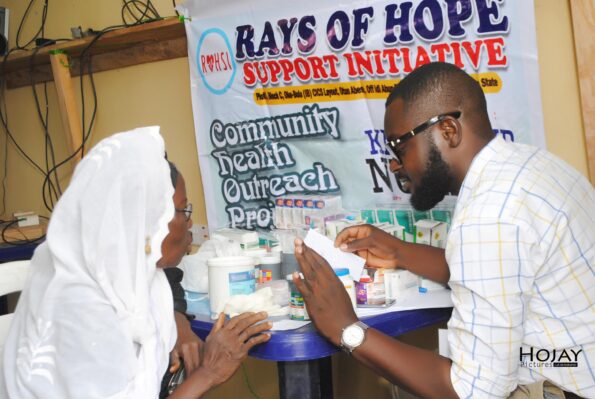
Do we know that familiarising ourselves with the following basic health principles in 2026 will most likely help you and me stay out of the hospital or pharmacy or even avoid taking medication due to illness? Yeah
* Very cold water at dawn shocks the stomach like bad news. Let’s start our morning gently with a glass of warm or room-temperature water.

* Our cooking oil should assist our food, not announce itself before the meal arrives. In 2026, we must use oil moderately, like what my dietitian used to say: ‘If it dropped on your clothes or water paper, it would show.’ That is how our cooking oil should be when using it to make soup. Remember to ask or talk to your dietitian about the best cooking oil to go for.
* We must be ready to negotiate our daily rice intake with alternative food items. Eating rice daily is like gradually inviting diabetes, so we must be ready to vary our diet.
* Eating heavy meals at midnight is telling our heart to work overtime without pay, and sleeping immediately after eating is like parking a moving car. In 2026, we must try to stop late-night eating. Let’s maintain at least 3 hours between mealtime and bedtime.
* Speed eating is a modern sport with no trophy. You and I must learn to chew our food like we paid for it. Swallowing our food in a hurry is disrespectful to digestion. We must take our time when eating. Our mouth is not a shortcut; it is our first doctor. Digestion starts on our tongue.
* If our legs still work, we must be ready to use them properly in 2026. Every unnecessary short ride is a missed blessing. When the trip is super short, let’s park the car and walk around the block. It doesn’t mean you are poor or can’t show off with pride, but look at the health aspects associated with such an action of yours.
* Stretching in the morning tells our joints, “We have not abandoned you.” If we won’t do extensive exercise every day, at least let’s learn to stretch our joints daily.
* Sweeping our house and doing basic house chores is not punishment. It is unpaid physiotherapy. Sweeping, cleaning, and washing are exercises disguised as responsibilities. We don’t have to outsource everything. Do some ourselves to move our joints and muscles.
* This year, we must make it a must to sit with our healthcare providers. We must see medical checkups as routine when they’re recommended and not mean we are weak. It means we are intelligent and conscious. A small sickness we ignore today becomes a big hospital bill tomorrow. So, it’s a must for us to at least sit with our healthcare providers in respect to our annual medical checkup.
* Water is life, yes. Thirst is a late warning. We must learn to drink water regularly before thirst arrives. We must always move with water. Sip water at an interval if possible. This year we must drink water like maintenance, not like rescue.
* Rest is not laziness. It is wisdom to wear comfortable clothes. Sleep well every night. No lights and no radio or TV on. Light at night confuses the brain. Even our phone needs dark mode. Just total darkness and our pillow.
* If our food cannot trace its ancestry to a village, a farmer, or a season, our body will struggle to recognise it. Garden eggs and okra may not trend on social media platforms, but our blood pressure respects them deeply. Eat more fresh foods and fewer processed foods. Yeah
* Life is already sweet enough. Bitter leaf, neem, sour soup, scent leaves, and prekese remind the liver that discipline still exists. Once in a while, take these in moderation.
* Before today’s modern transportation system, legs were the original transport system. Walking is not poverty; it is preventive medicine. If we avoid walking, we are avoiding good health. So, go get your jogging kits ready without an excuse.
* Anger does not punish the offender; it poisons the host quietly. Be mindful of our emotions and mental health in 2026.
* We must not turn insecticide into perfume. Excess chemicals do not kill only mosquitoes; they confuse our lungs too. We must use them in moderation and do nets.
* If our stomach refuses to talk daily, something is wrong. Constipation is the body holding grudges. Let’s check our eating habits and lifestyle and resolve the strike immediately before it turns bloody.
* We must learn to manage stress intentionally. Stress is useful only in emergencies, not as a daily occurrence. Fatigue is not discipline. Learn to take short breaks during work.
* Avoid constant snacking. The stomach also needs rest. Digestion is work. Too much work causes fatigue.
ROHSI Management Team.
Mar 1, 2026 | Healthy Moves
By: Benjamin Olorunfemi
In communities across Nigeria, a silent epidemic is claiming more lives than many infectious diseases, yet it barely makes a sound until it is too late. Non-communicable diseases (NCDs), particularly hypertension and diabetes, have escalated into a public health emergency. Current statistics paint a grim picture: more than 20 million Nigerians are living with hypertension, and over 11 million are battling diabetes. Alarmingly, more than half of these individuals are completely unaware of their health status, walking around with a time bomb ticking in their chests.
For the average Nigerian in an underserved community where health facilities are miles away and the cost of a simple blood pressure check is a luxury, these are not just numbers; they are fathers, mothers, and youths resigning to fate simply because they cannot afford or access care. These are the people who fall through the cracks of our healthcare system. This is where our work at the Rays of Hope Support Initiative (ROHSI) becomes not just relevant, but essential.
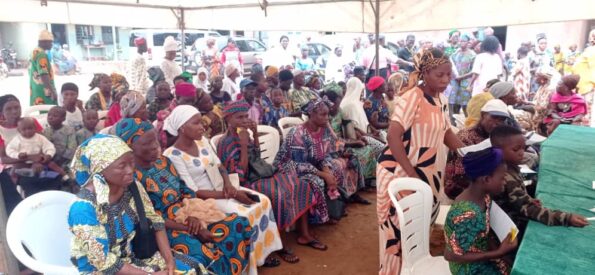
Since 2017, we have been at the forefront of combating this burden in Ibadan and beyond. We have seen firsthand that the fight against NCDs cannot be won within the four walls of a hospital alone; it must be taken to the people. We have educated over 10,000 citizens, reached more than 5,000 direct beneficiaries with free screenings and medication, and built a thriving community of over 250 members who now have access to daily health tips. Our work proves that when you empower a person with knowledge and access, you give them a fighting chance.
However, to truly curb the negative health impacts of hypertension and diabetes, we must scale up our strategies and go deeper—right to the heart of our local communities. One of the most effective, yet often untapped, pathways to achieving this is through a deliberate and structured partnership with Community Development Association (CDA) Executives.
Here is why this partnership is the key to unlocking better health outcomes for the underserved:
The Gatekeepers of Trust
In rural and semi-urban settings, the CDA executive is the most influential body. They are the gatekeepers of the community. While a flyer from a distant hospital might be ignored, an announcement at the town hall meeting or a directive from the CDA chairman is respected. By partnering with these executives, we aren’t just visitors; we become collaborators with the community’s leadership. They help us navigate the cultural nuances and mobilise their people, ensuring that when we show up, the community shows up with us.
Creating a “Hypertension-Smart” Community
Through our model, we work with CDAs to designate local champions, trained volunteers from within the community who understand the language and the lifestyle of their neighbours. These champions, backed by ROHSI’s medical team, can conduct regular, informal blood pressure and blood sugar checks at local markets, churches, or mosques. Instead of waiting for people to come to the hospital, we bring the hospital to their doorstep. This approach mirrors the proven effectiveness of using Community Health Extension Workers (CHEWs) to manage NCDs, as they become trusted figures leading health education efforts.
Leveraging Local Gatherings for Screening
Most communities have existing structures for weekly/monthly meetings, annual festivals, or town hall gatherings. These are missed opportunities for health interventions. By partnering with CDAs, we can integrate free screening exercises into these events. As we have seen with initiatives like Nigeria’s “Project 10 million”, the goal is to help people “know their number”. Imagine a community meeting where, after discussing local development, every adult present knows their blood pressure reading. That is preventive healthcare in action.
Affordability and Local Support
One of the biggest barriers to managing NCDs is the cost of medication. A diagnosis of hypertension can feel like a death sentence to a low-income earner who cannot afford daily pills. Through our partnerships with CDAs, we can help facilitate community-based medication support schemes.
Data Collection and Referral Pathways
CDAs have an intimate knowledge of their population. They know who is elderly, who is sick, and who has been unable to leave their home. Partnering with them allows us to build a more accurate picture of NCD prevalence in hard-to-reach areas. We can then establish a clear referral pathway: screening at the community level, followed by linkage to care at primary health centres.
We need to know that the fight against hypertension and diabetes in Nigeria is a fight for the soul of our communities. It requires us to be innovative, mobile, and deeply integrated. At Rays of Hope Support Initiative, we have the template, the experience, and the passion. But we cannot do it alone.
We call on community development associations across the country to open their doors to this kind of partnership. Let us work together to ensure that no one in our community dies from a disease we can prevent or manage. Let us take the message of hope—and the tools for health—directly to the doorsteps of those who need it most. Because a healthy community is the foundation of a prosperous nation.
Join us. Partner with ROHSI. Let’s bring hope to the doorstep of every Nigerian.

Feb 15, 2026 | Healthy Tips
How diabetes and cancer are linked, why cancer survivors face diabetes risk, and what new-onset diabetes may reveal about hidden cancers.
By Justine Evans
Some facts about diabetes and cancer:
- Type 2 diabetes increases risk for certain cancers.
- Some cancer treatments may cause diabetes later.
- New-onset diabetes in older adults may signal hidden cancer.
- Screening and lifestyle changes can reduce risk.
- Research is exploring new diagnostic tools using these links.
If you’re living with diabetes, you might know all about the intriguing and intricate relationship between diabetes and certain types of cancer. And it’s not a one-way street — the connection goes both ways.
So, what does current research say about this bidirectional relationship? Why are some cancer survivors more likely to develop diabetes? And why is understanding the difference between new-onset and long-standing diabetes critical in cancer detection and care?
Which cancers are linked to diabetes?
It’s been known for some time that diabetes, especially type 2 diabetes, can increase the risk of several types of cancer. But which cancers specifically?
According to a growing body of evidence, people with diabetes are more likely to develop pancreatic, liver, colorectal, breast and endometrial cancers. Why these cancers in particular? Different factors may be at play:
- People with type 2 diabetes often have higher circulating insulin levels, which may promote the growth of cancer cells.
- Long-term low-grade inflammation, common in diabetes, can create an environment in the body that’s more vulnerable to cancer development.
- Persistently high glucose levels may not only damage blood vessels and organs but also contribute to tumour growth.
A 2025 review in Seminars in Oncology outlines these mechanisms in detail, underscoring that this isn’t just correlation butthe risk that there’s a plausible biological basis linking diabetes to cancer risk.
It’s been known for some time that diabetes, especially type 2 diabetes, can increase the risk of several types of cancer. But which cancers specifically?
The gender gap in diabetes-related cancer risk
Diabetes doesn’t affect everyone’s cancer risk in the same way. In fact, research shows that women with diabetes tend to have a higher overall risk of developing cancer than men with diabetes. Across many different cancer types, the relative increase in cancer risk associated with diabetes was greater in women. Importantly, this wasn’t limited to a single cancer. Instead, diabetes appeared to place a broader cancer burden on women overall.
So why might this difference exist? The answer is likely complex and involves a mix of biological and lifestyle factors. Many of the risk factors shared by diabetes and cancer, such as excess body weight, physical inactivity and smoking, can worsen insulin resistance and promote long-term inflammation in the body.
These changes can also disrupt hormone regulation, all of which are processes linked to cancer development. Some evidence suggests that these metabolic and lifestyle effects may be more pronounced, or persist for longer, in women with diabetes. Over time, this may help explain why women experience a greater relative increase in cancer risk compared with men, even when both are living with the same condition.
Can cancer treatments cause diabetes?
Interestingly, the relationship works the other way, too. People who have survived cancer, particularly those treated with certain therapies, are at greater risk of developing new-onset diabetes after cancer.
A recent article published in Annals of Medicine and Surgery (2024) explored how cancer treatments, while life-saving, can disrupt glucose metabolism in various ways. Here are a few examples:
- Chemotherapy and corticosteroids, often used to manage cancer or treatment side effects, can cause spikes in blood sugar.
• Androgen deprivation therapy (used in prostate cancer) has been associated with insulin resistance.
• Abdominal radiation, particularly in children and young adults, can damage the pancreas, impairing insulin production.
This risk is beyond a simple short-term issue during treatment. For many survivors, diabetes may not appear until months or even years later. And because cancer follow-up typically focuses on recurrence and surveillance imaging, blood glucose levels might not be closely monitored unless there’s a specific concern.
People who have survived cancer, particularly those treated with certain therapies, are at greater risk of developing new-onset diabetes after cancer
It’s not just a case of better detection
You might ask whether there is simply an increase in diabetes and cancer diagnoses because we’re looking more closely. After all, both conditions are common, and frequent medical visits often lead to more testing. But experts now agree this is more than just detection bias. A growing number of studies demonstrate a biologically plausible connection between the two conditions.
For instance, shared risk factors, such as obesity, sedentary lifestyle, poor diet, and inflammation, as well as treatment-related effects that support this real, bidirectional link. Although these shared risk factors present a more complex picture, the association between diabetes and certain cancers remains.
That means clinicians are not just diagnosing more people by chance. There is a real link that has clinical implications for diabetes management and cancer care.
New-onset vs long-standing diabetes: a new focus in research
Here’s where it gets even more interesting. Researchers are now focused on distinguishing new-onset diabetes, especially in older adults, as a potential early marker of underlying cancer, particularly pancreatic cancer.
Why pancreatic cancer? Because in many cases, new-onset diabetes can precede the cancer diagnosis. The pancreas is central to both insulin production and tumour development, and a pancreatic tumour can impair insulin secretion, sometimes months before the cancer is detected.
So, while long-standing diabetes may increase the risk of developing certain cancers over time, sudden-onset diabetes, especially in someone with no history of obesity or insulin resistance, could be a red flag. This is especially important because pancreatic cancer often presents late and has poor survival outcomes. Early detection can make a big difference.
In fact, healthcare systems are exploring screening programmes that use new-onset diabetes in people over 50 as a trigger to investigate for pancreatic cancer. It’s a promising area of research that could lead to earlier diagnoses and better outcomes.
Sudden-onset diabetes, especially in someone with no history of obesity or insulin resistance, could be a red flag
What does this mean for people living with diabetes or cancer?
Understanding this bidirectional relationship matters for individuals and healthcare providers.
- If you have diabetes: Regular cancer screenings, especially for colorectal, breast, and liver cancers, may be more relevant than ever. Maintaining good glycaemic control, staying active and managing weight could help reduce your risk.
- If you’re a cancer survivor: Keep an eye on your blood glucose levels, even years after treatment. If you were exposed to chemotherapy, steroids, radiation, or hormone therapy, you may have a higher chance of developing diabetes, and early diagnosis is key.
- If you’re newly diagnosed with diabetes in your 50s or older: Talk to your GP about whether further investigation might be needed, particularly if you don’t fit the type 2 diabetes profile. It might be nothing, but it’s worth checking.
What’s next in research?
The complex interaction between diabetes and cancer is now one of the most dynamic areas of medical research. With a better understanding, there’s hope that:
- Cancer therapies are refined to reduce metabolic side effects.
- New-onset diabetes can serve as a valuable biomarker for early cancer detection.
- Strategies are developed to prevent diabetes in cancer survivors through tailored screening and lifestyle support.
It’s a reminder that in medicine, everything is connected, and sometimes the clues to one condition or disease lie in the symptoms or progression of another.
In medicine, everything is connected, and sometimes the clues to one condition or disease lie in the symptoms or progression of another.
Should people with diabetes be alarmed?
Living with diabetes doesn’t mean you’re destined to develop cancer, and not all cancer survivors will go on to develop diabetes. But recognising the links between these conditions can empower you to take preventive action, ask informed questions, and work with your healthcare team for more personalised care.
After all, the more we understand how diseases interact, the better we can treat and prevent them.
https://diabetesvoice.org/en/caring-for-diabetes/diabetes-and-cancer-whats-the-real-connection/?mc_cid=0daf1860af&mc_eid=50b74717d8
Feb 14, 2026 | Healthy Tips
Anita Sabidi
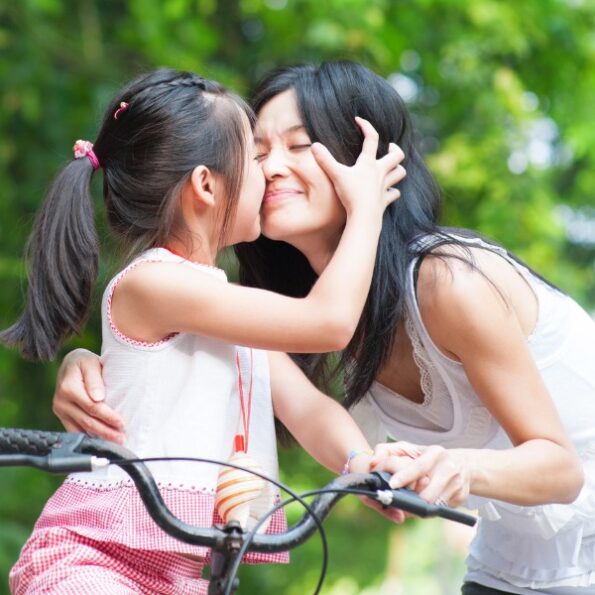
The myth of the supermom: embracing vulnerability with Type 1 Diabetes
Motherhood is often painted as a story of strength, resilience, and endless sacrifice. As mothers, we are expected to be the pillars of our families—the ones who hold everything together no matter what. But living with Type 1 diabetes for more than two decades has taught me that being a mother does not mean being invincible. In fact, one of the most valuable lessons I’ve been able to share with my children is that their mama is not a superwoman. I can be strong, yes, but I can also be vulnerable. And that’s okay.
Type 1 Diabetes is a family affair: when daily rituals become childhood memories
Every day with diabetes is a balancing act. Managing insulin, blood sugar checks, and the unpredictability of the condition can feel like carrying an invisible load. Yet this journey is not mine alone—it has become a family affair. My children have grown up witnessing my daily rituals with insulin injections and blood glucose monitoring. What might seem routine to me is part of their childhood memories, shaping how they understand care, responsibility, and empathy.
“Cover mama!”: how my kids became my little bodyguards
One of the sweetest moments happens whenever it’s time for my insulin shot in public. Without being asked, my kids instinctively take position around me, shielding me from curious stares. “Cover Mama!” they say, forming a protective circle as I inject. In those little moments, I see their love, their awareness, and their willingness to step into the role of supporters. They are my little bodyguards, and I treasure that more than words can describe.
Why sharing my needs is a lesson in strength, not a burden
Some might think children shouldn’t have to carry that kind of responsibility. But I see it differently. By sharing my vulnerabilities with them, I am teaching them important lessons about life: that strength is not about pretending to be unbreakable, but about acknowledging our needs and asking for support. That caring for one another is not a burden, but an act of love.
Authenticity over perfection: what my children taught me about Type 1 Diabetes resilience
Motherhood with diabetes has also shown me that I don’t have to live up to the impossible standard of being a superwoman. My kids don’t need perfection; they need authenticity. They need to see that it’s human to struggle, to adapt, and to keep going despite the challenges. They need to know that resilience comes not from denying vulnerability, but from embracing it.
So yes, I am a mother living with diabetes. I am a caregiver, but I am also someone who needs care. And in this shared journey, my children and I are learning together—that family is not about one person carrying it all, but about supporting each other through life’s highs and lows.
Conclusion
In the end, I hope my children grow up knowing this truth: that their mama’s greatest strength is not being superhuman but being real.
https://hellotype1.com/en/articles/motherhood-and-type-1-diabetes-why-showing-vulnerability-made-me-a-stronger-mom
